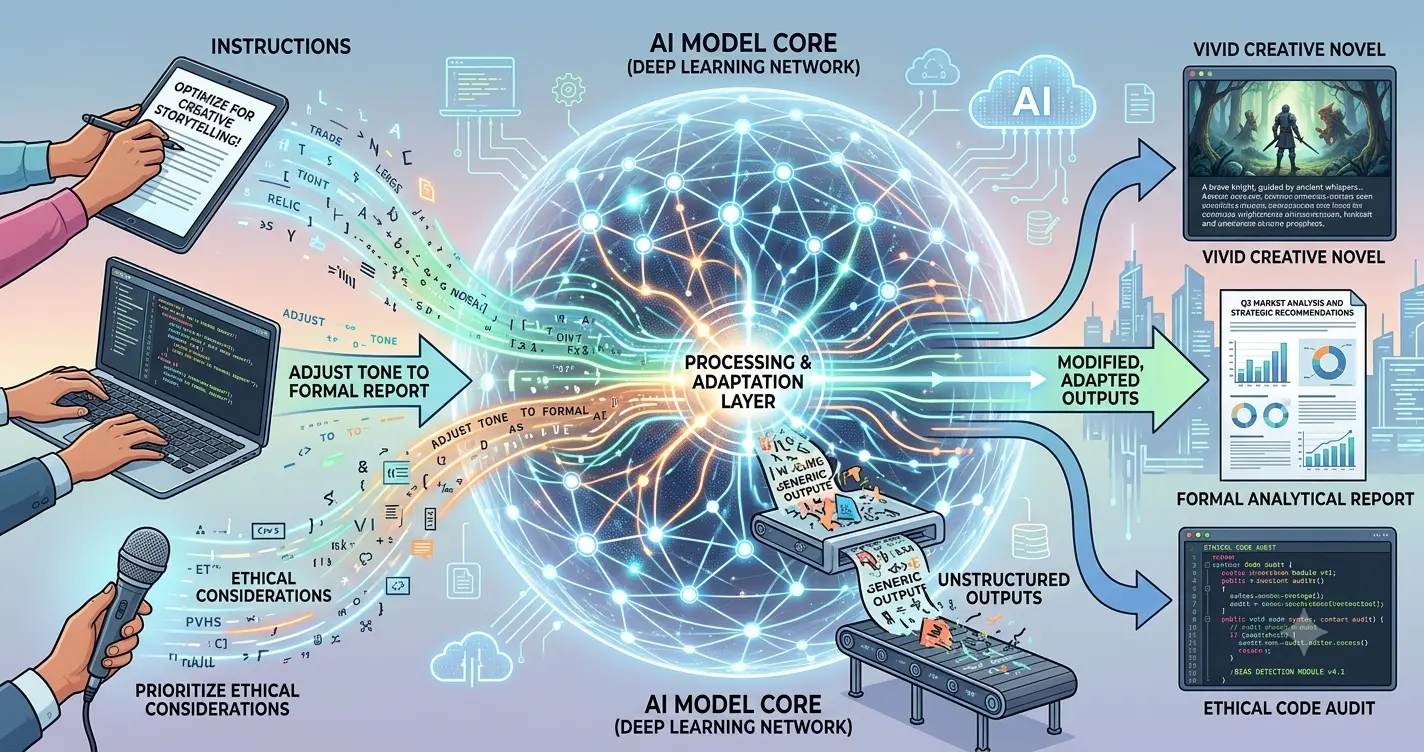
What AI Fine-Tuning Means (and Why It Does Not Create a New AI)

When people hear that a company has trained an AI model, they often imagine an AI learning from documents and becoming an expert. Modern AI development is more complex. Fine-tuning allows developers to adjust an existing AI model so it performs better for a specific type of task. Fine-tuning changes how an AI behaves. It … Read more
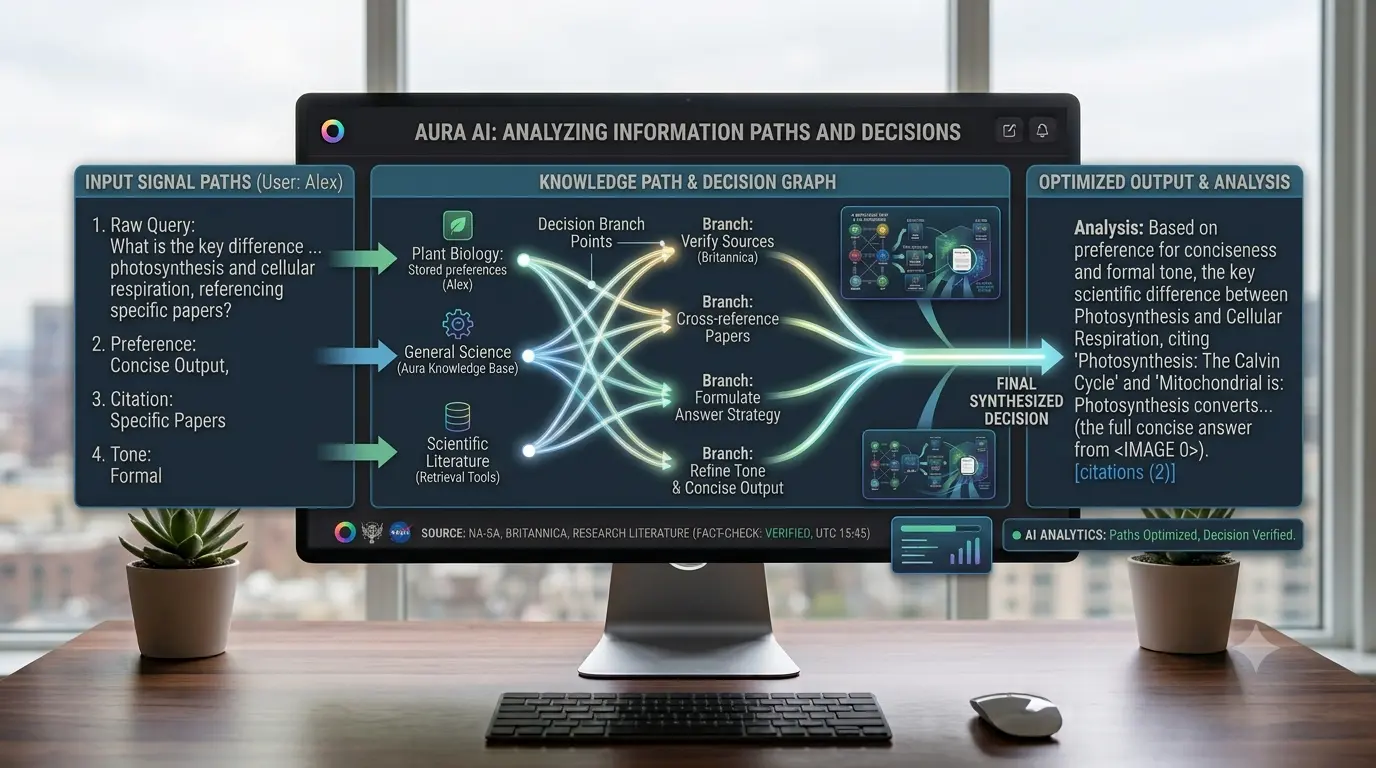
What AI Reasoning Means (and Why AI Does Not Think Like Humans)

When people use AI assistants, they often describe the process as thinking. Modern AI models can solve problems, explain concepts, write code, and analyze information. But AI reasoning is not the same as human thinking. What Is AI Reasoning? AI reasoning refers to an AI system’s ability to analyze information, follow steps, recognize patterns, and … Read more

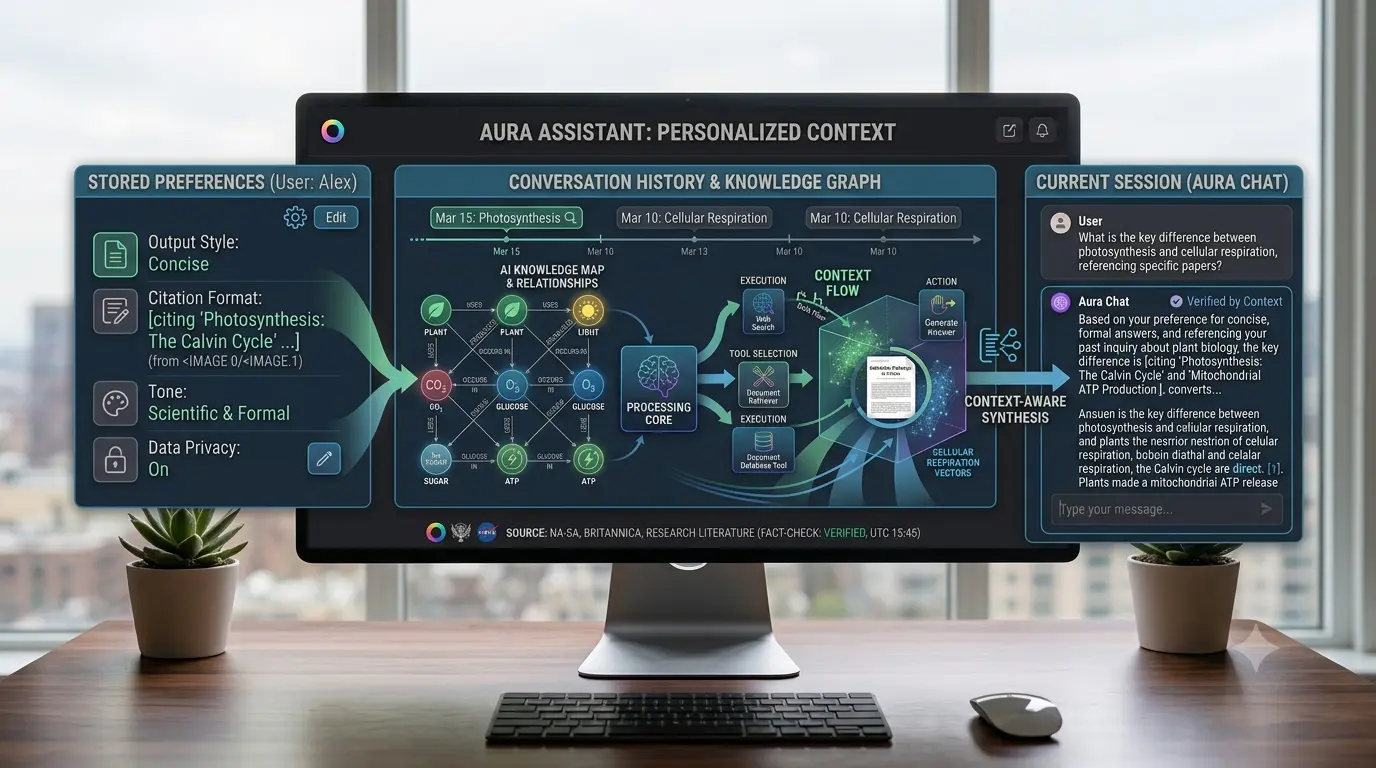
What AI Memory Actually Means (and Why Chatbots Forget Things)

One of the most common frustrations with AI assistants is why they forget things between conversations. AI memory is the feature that allows some AI systems to retain useful information across conversations. AI memory is different from human memory. It is usually a collection of stored information that the system can reference later. What Is … Read more

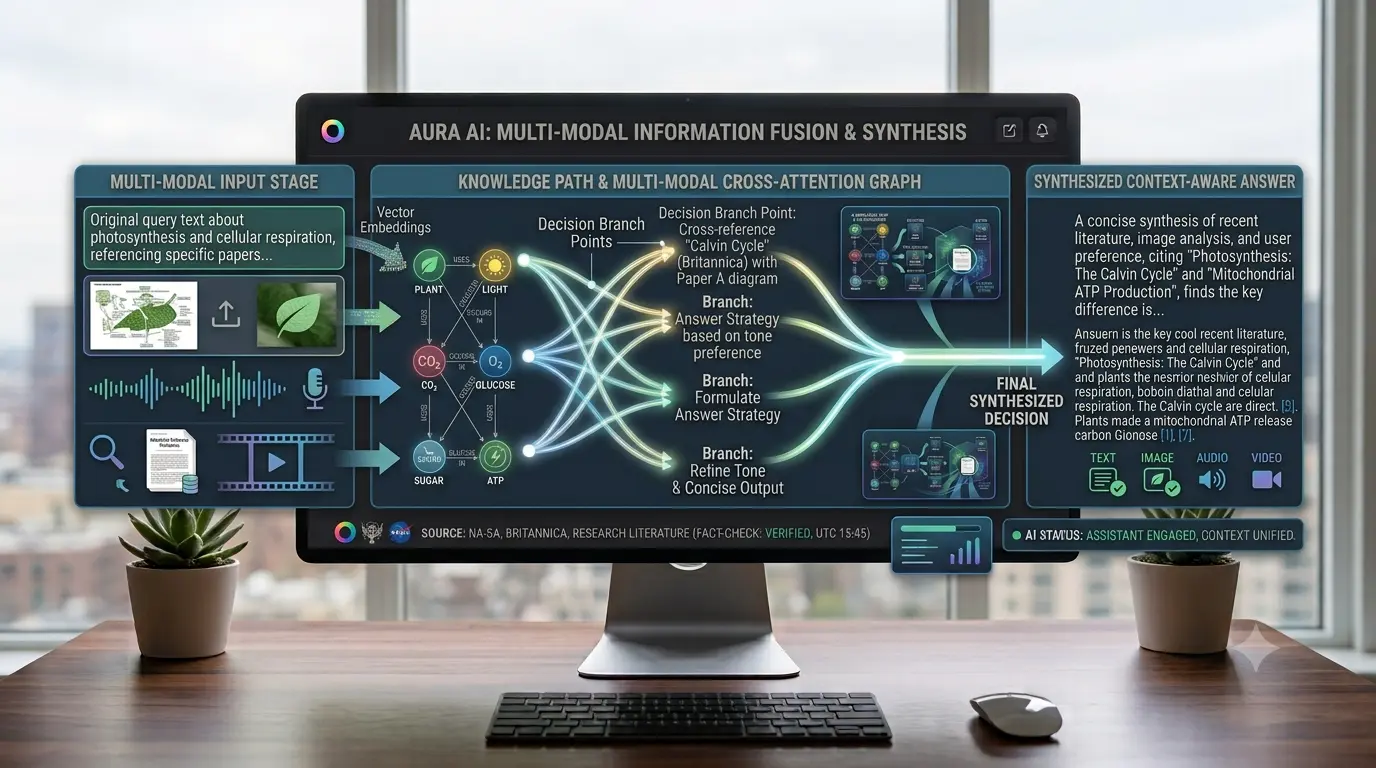
What Multimodal AI Means (and Why AI Can Now See, Hear, and Understand More)

For years, most people experienced artificial intelligence through text. Modern AI systems are moving beyond text and can work with images, audio, video, documents, code, and real-world information. This ability is called multimodal AI. Multimodal AI allows a model to understand and work with different types of information instead of only text. What Does Multimodal … Read more

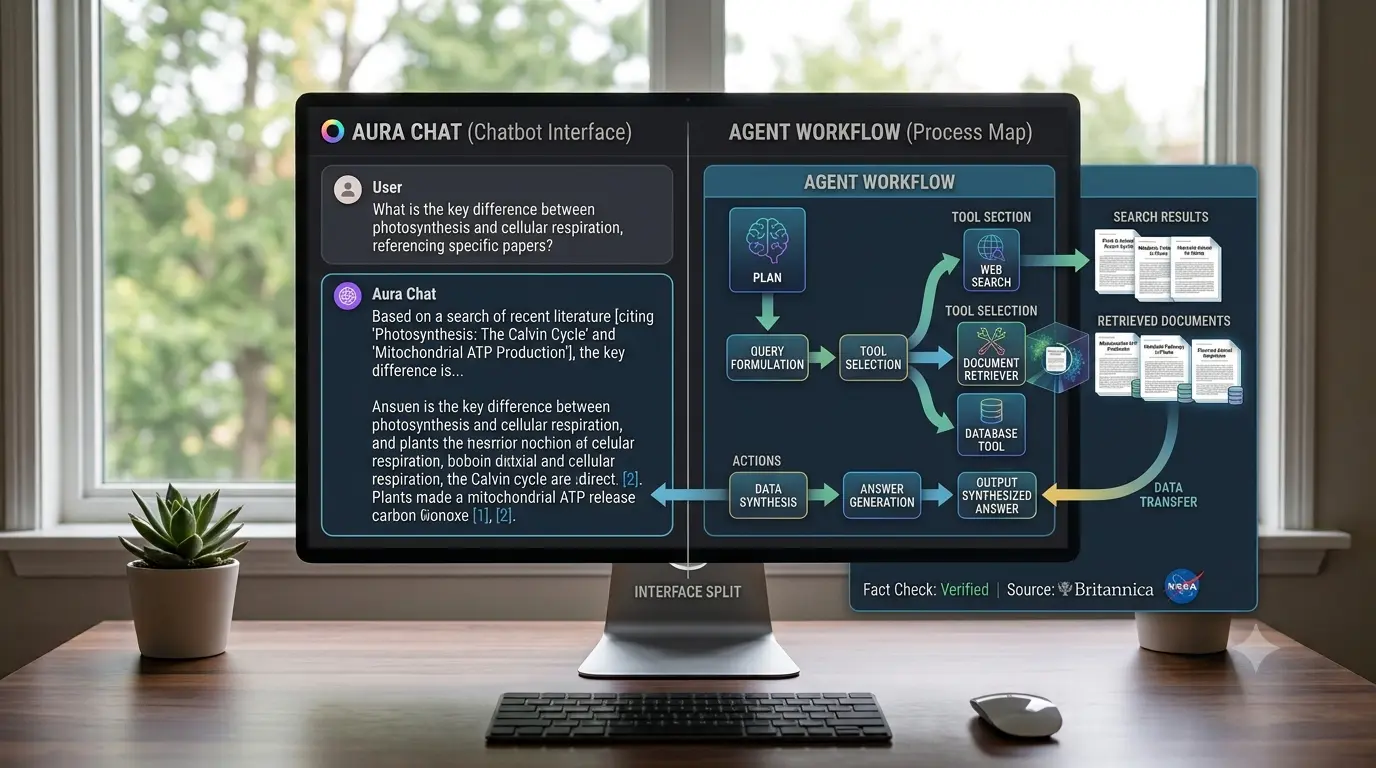
What AI Agents Are (and Why They Are Different From Chatbots)

Most people have interacted with AI through a chatbot. You ask a question. The AI responds. A newer type of AI system works differently. It is called an AI agent. Instead of only answering questions, an AI agent can take a goal, plan steps, use tools, and complete tasks with less direct guidance. Chatbots answer. … Read more

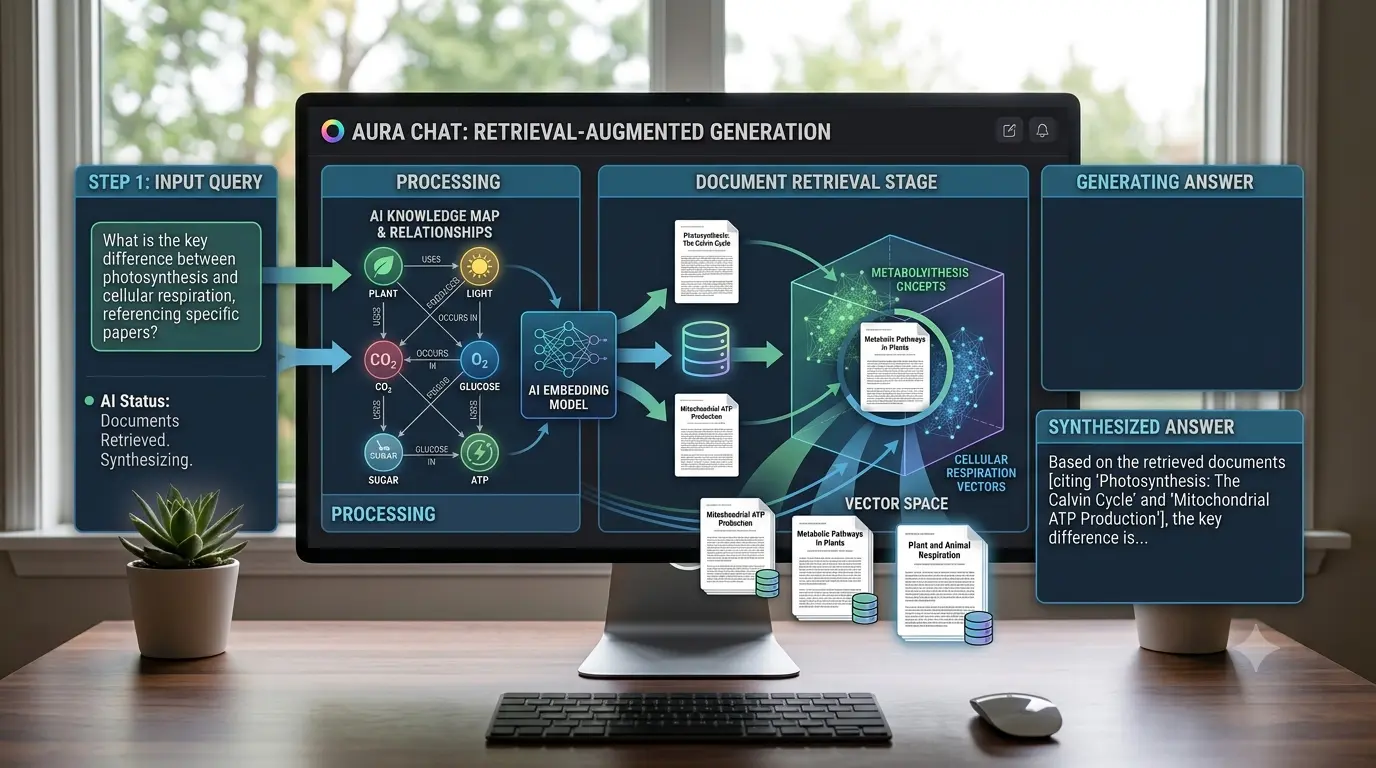
What RAG Means and When You Actually Need It

Artificial intelligence models can answer questions, write content, summarize documents, and help with complex tasks. But every AI model has a limitation: it does not automatically know your private information, company documents, latest product updates, or recent changes. This is where RAG comes in. RAG stands for Retrieval-Augmented Generation. RAG allows an AI model to … Read more

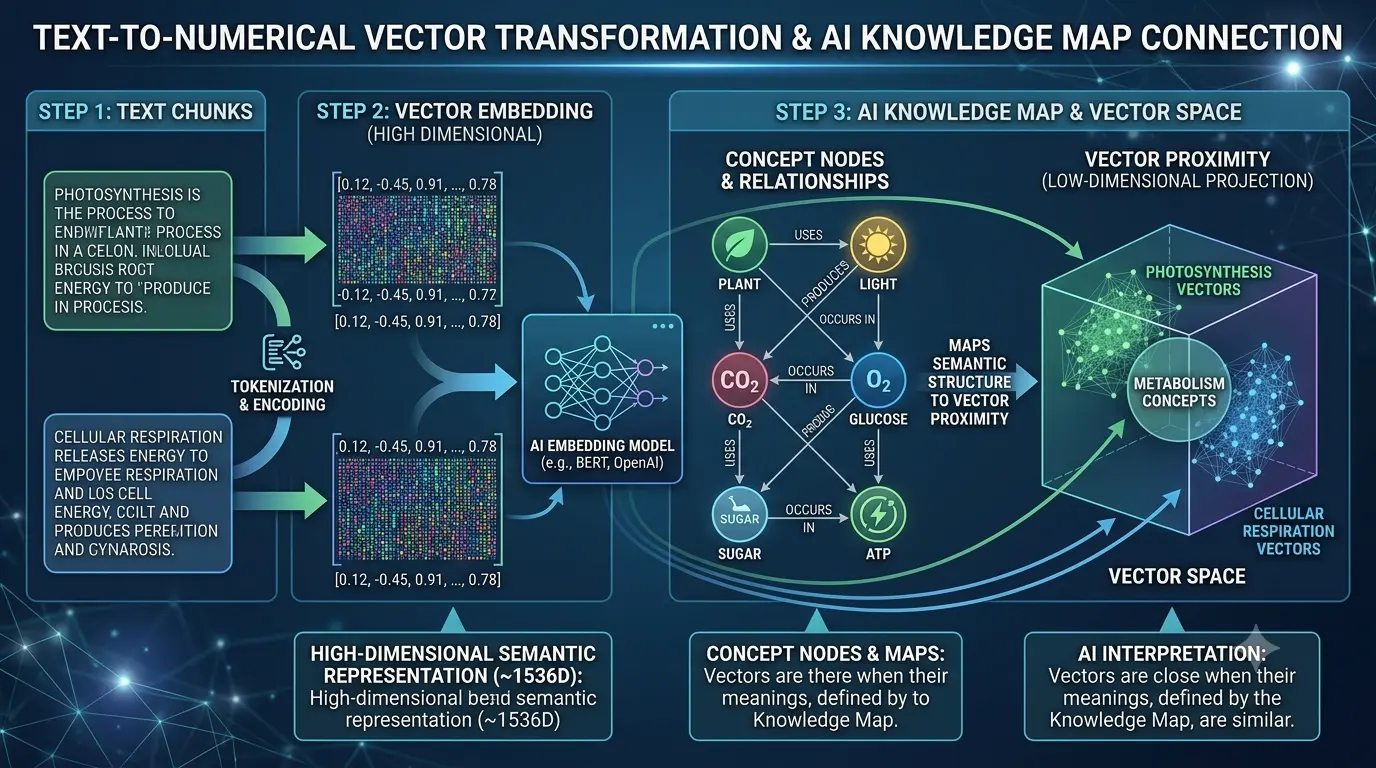
What Embeddings Are, in Plain English (and Why AI Uses Them)

When people hear how AI systems understand text, they often imagine something similar to a search engine. Modern AI systems use a technology called embeddings. An embedding is a way of turning information into numbers so an AI system can compare meaning. What Is an Embedding? An embedding is a collection of numbers that represents … Read more

What a System Prompt Does (and Why Yours Probably Isn’t Working)

When people use AI tools, they usually focus on the prompt they type into the chat box. But another instruction layer works behind the scenes: the system prompt. A system prompt is a set of instructions given to an AI model before a conversation begins. It influences the model’s personality, rules, priorities, and limitations. What … Read more

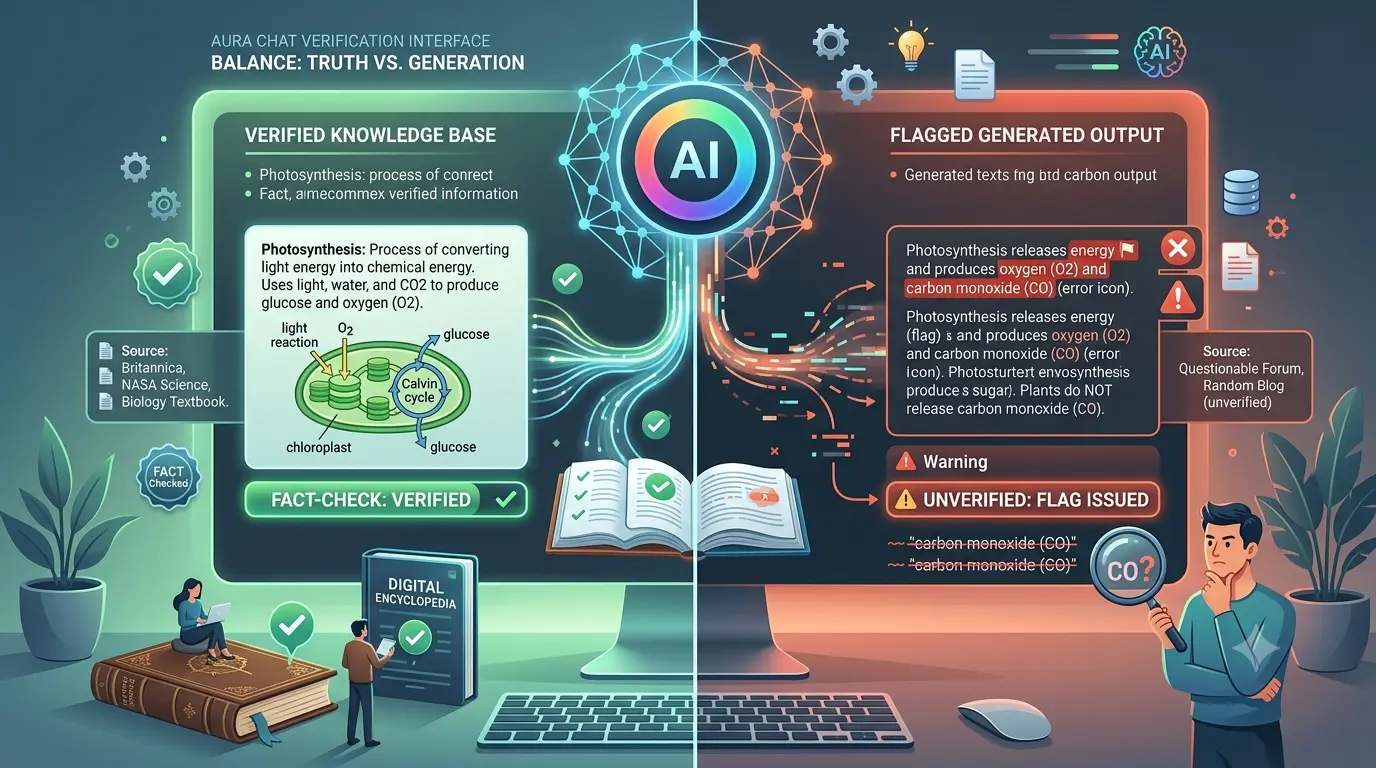
What “Hallucination” Actually Means in AI (and Why the Word Is Misleading)

AI systems can write articles, summarize documents, generate code, and answer complicated questions in seconds. But they also make mistakes. Sometimes those mistakes are small, like getting a date wrong. Sometimes they are serious, like inventing a fake research paper, a non-existent feature, or a source that never existed. The AI community usually calls this … Read more

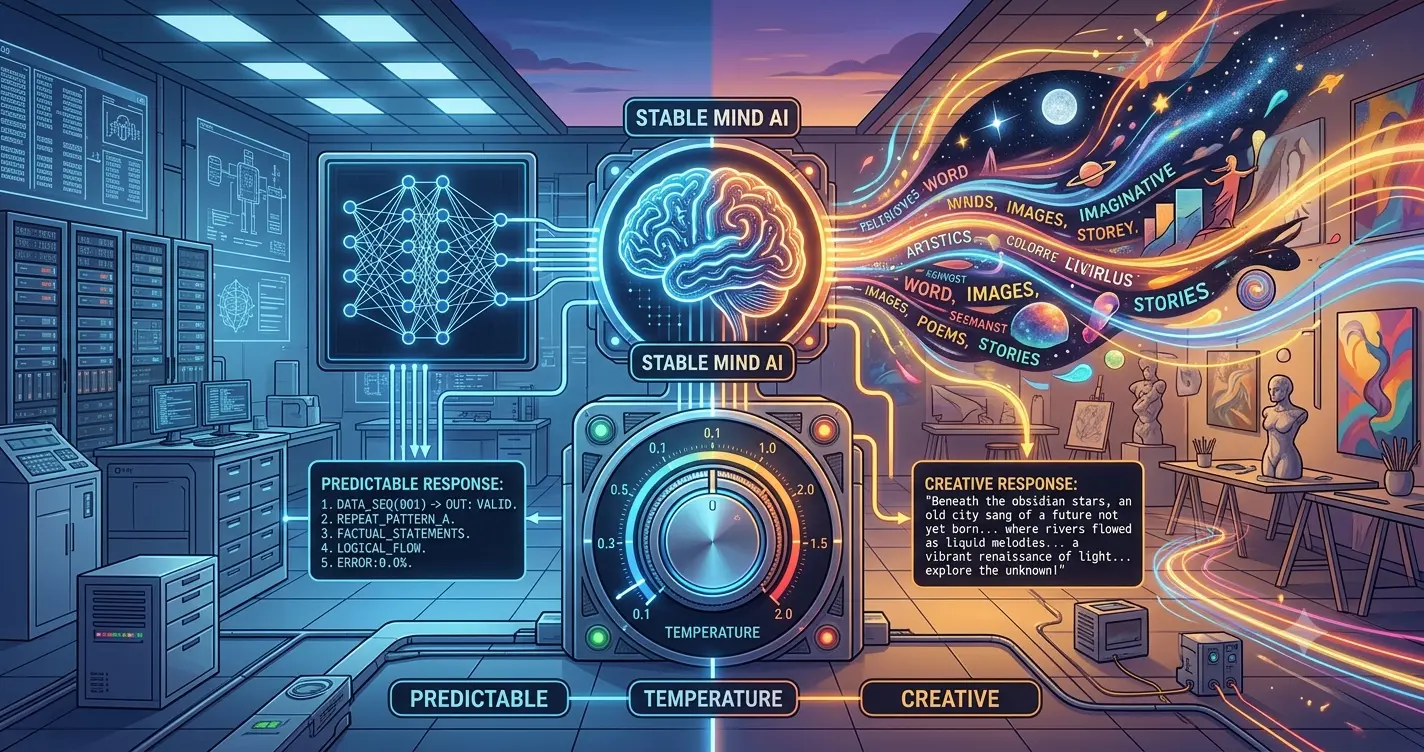
What Temperature Actually Does to AI Output (and Why 0.7 Is Not Always Better)

When people use AI tools like ChatGPT, Claude, or Gemini, they often assume the model simply answers based on what it knows. Behind every response are settings that influence how the model generates text. One of the most misunderstood settings is temperature. Temperature controls how predictable or varied an AI response can be. A lower … Read more